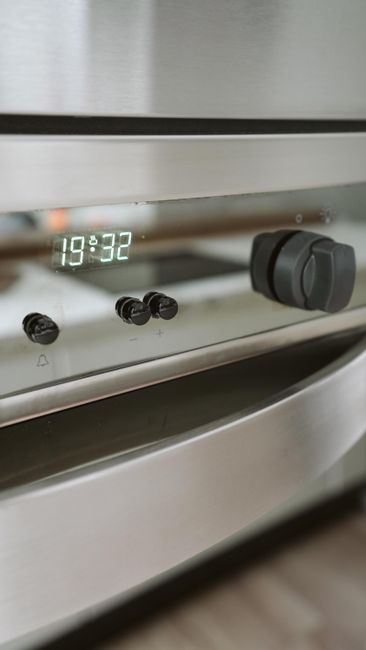
Oven Care for SW15 Homes on Upper Richmond Road
If you live on Upper Richmond Road in SW15, you already know how quickly a kitchen can pick up the pace of daily life. School runs, late dinners, Sunday roasts, quick tray bakes after work - the oven gets used hard, and it shows. Oven Care for SW15 Homes on Upper Richmond Road is really about keeping that everyday workhorse safe, efficient, and pleasant to use, without turning oven cleaning into a weekend drama.
Truth be told, most people do not ignore the oven because they do not care. They ignore it because cleaning a greasy cavity, racks, door glass, and fan area is fiddly, messy, and a bit of a faff. But once grease builds up, heat distribution suffers, smells linger, and the whole kitchen feels less fresh. This guide walks you through how oven care works, why it matters in SW15 homes, and the practical steps that make a real difference.
Whether you are trying to stay on top of things between deep cleans, comparing professional options, or just wondering if your oven needs a proper reset, you will find useful, plain-English advice here.
Quick summary: Regular oven care helps reduce smoke, keep cooking temperatures steadier, improve hygiene, and protect the finish of your appliance. Small habits matter. A lot.
Contents
- Why Oven Care for SW15 Homes on Upper Richmond Road Matters
- How Oven Care for SW15 Homes on Upper Richmond Road Works
- Key Benefits and Practical Advantages
- Who This Is For and When It Makes Sense
- Step-by-Step Guidance
- Expert Tips for Better Results
- Common Mistakes to Avoid
- Tools, Resources and Recommendations
- Law, Compliance, Standards, or Best Practice
- Options, Methods, or Comparison Table
- Case Study or Real-World Example
- Practical Checklist
- Conclusion
- Frequently Asked Questions
Why Oven Care for SW15 Homes on Upper Richmond Road Matters
On a busy stretch like Upper Richmond Road, homes often run on tight routines. That means the oven gets a lot of mixed use: quick weeknight meals, batch cooking, children's snacks, reheated leftovers, and the occasional more ambitious roast. All of that creates splashes, drips, carbonised crumbs, and grease vapour. Left alone, those residues do not just look bad; they change how the oven behaves.
There are three big reasons oven care matters in SW15 homes:
- Performance: built-up grime can trap heat unevenly and make cooking less predictable.
- Hygiene: food residue, burnt-on spills, and old grease can create smells and smoke you really do not want hanging around.
- Longevity: keeping seals, glass, trays, and internal surfaces cleaner reduces wear on the appliance over time.
In practical terms, you may notice the oven takes longer to warm up, dishes brown unevenly, or a faint burnt smell appears even when the oven looks "fine" at a glance. That is usually the point where a quick wipe is no longer enough.
SW15 homes also tend to have a mix of property types: compact flats, family houses, period conversions, and modern apartments. In smaller kitchens, a dirty oven can affect the whole room more quickly. You smell it sooner. You see it sooner. And if ventilation is not brilliant, smoke from old residue has nowhere to go. Let's face it, nobody wants the toast to smell like last month's lasagne.
How Oven Care for SW15 Homes on Upper Richmond Road Works
Good oven care is not a single task. It is a layered process that combines routine wiping, periodic deep cleaning, and a bit of prevention. Done properly, it is less about brute force and more about timing and technique.
1. Routine surface cleaning
After the oven has cooled, the easiest win is to remove loose debris and wipe away light splatter. This stops small spills from becoming hard, baked-on deposits. A damp cloth, mild cleaner, and a little patience often do more than heavy scrubbing later on.
2. Targeted treatment of baked-on residue
Stubborn grease usually needs a dedicated degreaser or a method suited to the oven's finish. The aim is to soften residue without damaging enamel, glass, or seals. A lot of people go too hard, too soon, and end up scratching surfaces or forcing grime deeper into corners.
3. Rack and tray attention
Racks and trays collect carbon first. They are also the bits you handle most often, so they deserve proper care. Soaking can help, but only if the cleaner used is appropriate and the items are rinsed thoroughly afterwards.
4. Door glass and seals
Door glass is one of the first things people inspect, which makes sense. A greasy window makes the whole oven feel dirtier than it may actually be. Seals need gentler treatment. If you rough them up, you can affect heat retention and door closure. Not ideal.
5. Final safety check
After cleaning, surfaces should be dry, residue-free, and free from strong cleaner smell before the oven is used again. If you are dealing with a fan oven or a self-cleaning model, always follow the manufacturer guidance rather than improvising. Ovens can be surprisingly particular. A bit like some London parking bays, honestly.
For homeowners who prefer professional help, a service like oven cleaning can be a practical option when the oven has got beyond routine upkeep. If you are comparing a broader home cleaning plan, it can also make sense to look at a trusted cleaning company that understands different household cleaning needs.
Key Benefits and Practical Advantages
Oven care brings a mix of visible and less visible benefits. The visible ones are obvious enough: a cleaner oven, clearer glass, less grease. The less visible ones matter just as much.
- More even cooking: less build-up means more reliable heat circulation.
- Less smoke and odour: old fat deposits are a common cause of unpleasant smells.
- Better kitchen hygiene: cleaner surfaces reduce the chance of grime transferring to cookware or hands.
- Improved appearance: a clean oven makes the whole kitchen feel better cared for.
- Longer appliance life: regular maintenance can reduce unnecessary strain on parts.
There is also a quiet practical benefit people often miss: confidence. When you open the oven and it looks clean, you are less likely to hesitate about cooking something more ambitious. That sounds small, but it changes how you use your kitchen.
For many SW15 households, the biggest benefit is simply avoiding the "all day clean" problem. A little upkeep now prevents the sort of heavy grease removal that wipes out half a Saturday.
Who This Is For and When It Makes Sense
Oven care makes sense for almost any home, but it is especially useful if your household fits one of these patterns:
- You cook several times a week and use the oven heavily.
- You roast, bake, or grill foods that splatter.
- You notice smoke, smells, or dark residue building up.
- You are preparing a property for guests, buyers, tenants, or a move-out.
- You want to reduce the need for harsh scrubbing later.
It is also a smart choice if you live in a rented property or manage one. A clean oven can be one of those detail items that quietly affects how a kitchen is perceived. If you are leaving a property, a deeper clean such as end of tenancy cleaning may be worth considering alongside oven care, especially when you want the kitchen to present well from the first glance.
In our experience, the best time to act is before the oven becomes visibly bad. If you can smell it when it is heating up, or if the glass has turned from "a bit cloudy" to "what am I even looking at?", that is the sign to step in. Do not wait for the smoke alarm to make the decision for you.
Step-by-Step Guidance
If you want to keep oven care manageable, break it into simple stages. There is no need to overcomplicate it.
- Let the oven cool completely. Cleaning a warm oven can spread residue and create a safety risk. A cold oven is simply easier to work with.
- Remove loose items. Take out racks, trays, pizza stones, thermometers, and anything else that should be cleaned separately.
- Brush or wipe away crumbs. Start with dry debris before using any liquid cleaner. This keeps grime from turning into paste.
- Treat the racks and trays first. Soaking them can free up stubborn deposits while you clean the cavity.
- Apply the right cleaner to internal surfaces. Use a product or method suitable for the oven's material. Avoid mixing products. That is where people get into trouble, fast.
- Clean the door glass carefully. Use a non-abrasive cloth so you do not scratch the surface.
- Wipe the seals and edges lightly. These areas collect grime but need a gentler hand.
- Rinse and dry thoroughly. Any residue left behind can smoke the next time you cook.
- Run a brief low-heat cycle if appropriate. Only if the manufacturer allows it and the cleaner has been fully removed.
A useful habit is to clean spills while they are still fresh, even if only for a minute. That one small move can save you from the worst kind of oven build-up - the black, shiny, baked-on sort that looks like it has signed a lease.
Expert Tips for Better Results
Most oven cleaning problems come down to timing, product choice, or impatience. A few small adjustments can make the whole process easier.
Use a "little and often" rhythm
Waiting until the oven is badly soiled is what turns maintenance into labour. A weekly wipe, even if brief, usually beats one heavy clean every few months.
Match the method to the oven type
Fan ovens, steam ovens, and self-cleaning models each behave differently. What works on one appliance may not suit another. Always check the instructions if you are not sure.
Work from cleanest to dirtiest
Clean the lightly soiled areas first, then move to the more stubborn deposits. That way you avoid spreading heavy grease around the whole cavity.
Let products dwell, but not forever
Degreasers and pastes often need a short dwell time to loosen grime. Leave them too long and you risk drying them onto the surface or making them harder to remove.
Ventilate the room
Open a window if you can. Even a modest draft helps move cleaner fumes and loosened odour out of the room. In a compact SW15 kitchen, you will notice the difference quickly.
Expert summary: good oven care is less about elbow grease and more about sensible routine. Gentle, regular cleaning usually gives better long-term results than aggressive, occasional scrubbing.
If you prefer to pair oven upkeep with broader domestic maintenance, a reliable domestic cleaning approach can help keep the kitchen from drifting back into the same cycle again and again.
Common Mistakes to Avoid
It is easy to make oven cleaning harder than it needs to be. These are the errors that come up most often.
- Using harsh abrasives on glass or enamel: scratches can be permanent and make future cleaning harder.
- Ignoring the door seal: this area matters more than it looks.
- Mixing cleaning products: never combine chemicals unless the label explicitly allows it.
- Cleaning too soon after cooking: heat can make some residues smear, and it increases the risk of burns.
- Leaving cleaner residue behind: this is a common cause of smoke and odd smells on the next use.
- Forgetting the back corners and fan cover: the hidden spots are often the greasiest.
Another mistake? Expecting one product to do everything. Sometimes you need a soak for the racks, a different cloth for glass, and a gentler wipe for the seals. A bit of judgement goes a long way.
Tools, Resources and Recommendations
You do not need an elaborate kit to take good care of an oven. In fact, a smaller, well-chosen set of tools is often better than a cupboard full of half-used bottles.
| Tool or Item | What it helps with | Useful note |
|---|---|---|
| Microfibre cloths | Wiping residue and polishing surfaces | Gentle and reusable if washed properly |
| Soft sponge | Light grease removal | Choose non-abrasive types for glass and enamel |
| Plastic or silicone scraper | Loosening baked-on spots | Safer than metal on delicate surfaces |
| Degreasing cleaner | Breaking down fat and grime | Check compatibility with your oven finish |
| Warm water and mild washing-up liquid | Routine wipe-downs and light cleaning | Often enough for maintenance cleans |
| Protective gloves | Hand protection during cleaning | Helpful if using stronger products |
If your oven is in a larger cleaning plan, you may also find value in related household services such as deep cleaning for the wider kitchen, or one-off cleaning when the property needs a reset rather than routine maintenance.
For households with mixed flooring or visible traffic marks in the kitchen, a broader service like hard floor cleaning can complement oven care nicely. Grease splashes often travel farther than people expect, especially near the cooker and sink area.
Law, Compliance, Standards, or Best Practice
For a typical home, oven care is less about legal compliance and more about sensible safety and hygiene practice. Still, there are some important best-practice points worth keeping in mind.
- Follow manufacturer instructions: different ovens have different tolerances for heat, moisture, and cleaning agents.
- Use products safely: read labels, ventilate the room, and store cleaning chemicals securely.
- Keep electrical components dry: never flood control panels or fan areas with liquid.
- Check for damage before use: if a seal is loose, glass is cracked, or the appliance behaves oddly after cleaning, stop and investigate.
If you are using a professional cleaning service, you should reasonably expect clear communication about safety, product use, and access arrangements. A provider should also be able to explain how they handle risk on site. Pages such as health and safety policy, insurance and safety, and terms and conditions are useful indicators that the business takes those responsibilities seriously.
Some homeowners also like to ask about waste handling and cleaning-product choices. If environmental impact matters to you, it is fair to look for a provider that thinks about recycling and sustainability as part of its everyday practice, not as an afterthought.
Options, Methods, or Comparison Table
There are a few ways to approach oven care, and the right choice depends on how often you cook, how dirty the oven is, and how much time you want to spend on it.
| Method | Best for | Pros | Limitations |
|---|---|---|---|
| Routine DIY wipe-down | Light weekly maintenance | Cheap, quick, easy to fit into a busy week | Won't handle heavy, baked-on grime |
| Deep DIY clean | Moderate build-up | More thorough, flexible timing | Time-consuming and physically awkward |
| Professional oven care | Heavy grease, busy homes, end-of-tenancy prep | More convenient, often more consistent finish | Costs more than doing it yourself |
Here is the simplest way to think about it: if your oven only needs a light refresh, do it yourself. If you are staring at thick, layered residue or you simply do not want to spend your evening elbow-deep in grease, professional help starts to make a lot more sense.
For transparent budgeting, it is sensible to review pricing and quotes before deciding. That way you can compare options properly rather than guessing.
Case Study or Real-World Example
A typical SW15 scenario goes like this. A family on Upper Richmond Road uses the oven nearly every day: traybakes for packed lunches, pasta bakes midweek, and a roast on Sunday. Nothing dramatic, nothing unusual. Over time, though, grease starts collecting on the lower element area and behind the door glass. They notice a faint burnt smell every time the oven heats up, but because the appliance still works, the cleaning slips down the list.
By the time they deal with it, the oven has become a "proper job" instead of a quick wipe. The racks are sticky, the glass looks cloudy, and a few splashes have hardened into dark spots that do not budge with standard spray. After a careful deep clean and a better routine afterwards, the oven heats more evenly, smells fresher, and feels easier to use again.
Nothing magical happened. No miracle product. Just sensible timing and a better process.
That is often the real value of oven care: it turns a nagging kitchen problem back into something ordinary. And ordinary is good.
Practical Checklist
Use this checklist as a quick reference before and after cleaning:
- Oven fully cooled before cleaning begins
- Racks, trays, and loose items removed
- Loose crumbs and debris cleared out
- Cleaner suitable for the oven surface used
- Door glass cleaned without abrasives
- Seals wiped gently, not scrubbed hard
- Residue fully removed before reheating
- Kitchen ventilated during and after cleaning
- No liquid near electrical controls
- Oven tested briefly after cleaning if appropriate
- Regular wipe-down plan set for next time
If you want your cleaning routine to stay realistic, keep the checklist short and repeatable. A perfect system that nobody follows is just decoration.
Conclusion
Oven Care for SW15 Homes on Upper Richmond Road is really about protecting the rhythm of daily life. A clean, well-maintained oven saves time, avoids unpleasant smells, supports safer cooking, and helps your kitchen feel genuinely cared for. Whether you manage everything yourself or bring in help when the build-up gets stubborn, the aim is the same: less stress, better results, and a home that works the way you want it to.
Small steps matter. Wipe the spill now, clean the glass before it clouds over, and do not wait for the smoke to make the point for you. That little bit of attention pays you back every time you cook.
Get a free quote today and see how much you can save.
When your oven is in good shape, the whole kitchen feels lighter somehow. Not perfect. Just calmer, and that counts for a lot.
Frequently Asked Questions
How often should I clean my oven in an SW15 home?
For most busy households, a light wipe every week or two and a deeper clean every few months is a sensible rhythm. If you roast often or cook at high temperatures, you may need to clean it more often.
What is the best way to remove burnt-on grease?
Soften it first. A suitable degreasing cleaner or soak time works better than hard scrubbing alone. Using a non-abrasive scraper carefully can help lift stubborn patches without damaging the surface.
Can I clean an oven while it is still warm?
It is better to let it cool fully. Warm surfaces can smear grease, increase the risk of burns, and make some cleaning products behave unpredictably. Cool is safer and usually more effective.
Is professional oven care worth it for a normal family kitchen?
Yes, if the oven has heavy build-up, you are short on time, or you want a more thorough finish than a standard wipe-down. For lighter maintenance, DIY care may be enough.
Will oven cleaning improve cooking results?
It often can. Cleaner ovens tend to heat more evenly and reduce smoky residue, which helps dishes cook more consistently. It is not a miracle cure, but it does make a noticeable difference.
What should I avoid using on oven glass?
Avoid abrasive pads, harsh scouring powders, and anything that could scratch the glass. Gentle cloths and suitable cleaners are usually the safer choice.
Do self-cleaning ovens still need care?
Yes. Even self-cleaning models need routine attention, especially for the door, seals, racks, and loose residue. The self-clean cycle is helpful, but it is not a full substitute for maintenance.
How do I know if my oven needs a deep clean rather than a quick wipe?
If you see baked-on grease, smell burning when the oven heats, or notice smoke from old residue, it is probably time for a deeper clean. Cloudy glass and sticky racks are other good clues.
Can oven care help with odours in the kitchen?
Yes. Old grease and food residue are common sources of stubborn cooking smells. Removing them usually makes the kitchen feel fresher quite quickly.
What if I am moving out or preparing a rental property?
Then oven care becomes especially important. A clean oven is one of the first things people notice in a kitchen, and it can support a much better overall impression. End-of-tenancy situations often call for a more detailed clean than usual.
Are professional cleaners expected to follow safety standards?
They should. Good providers should be clear about safety practices, product handling, and insurance. If anything feels vague, it is worth asking questions before booking.
How can I keep the oven cleaner for longer after a deep clean?
Wipe spills as soon as the oven cools, use trays to catch drips where possible, and avoid letting grease sit for weeks. Small habits really do stretch the time between heavy cleans.