Bulky Oven Parts Disposal in Putney -- Cost & Steps
Posted on 15/05/2026
Bulky Oven Parts Disposal in Putney -- Cost & Steps
If you have an oven door, side panel, glass section, rack set, or a heavy broken component sitting in the hallway, you already know the awkward part: it is not just "rubbish". Bulky oven parts disposal in Putney needs a bit of planning, a clear idea of cost, and a safe way to get the item out of the house without damaging floors, walls, or your back. That's what this guide is for. We'll walk through the practical steps, what affects the price, where people often go wrong, and how to decide whether DIY removal or a booked collection makes more sense.
Truth be told, most people only realise how awkward oven parts are once they've tried to shift one down a narrow London staircase. Not fun. So let's make it simple, local, and useful.
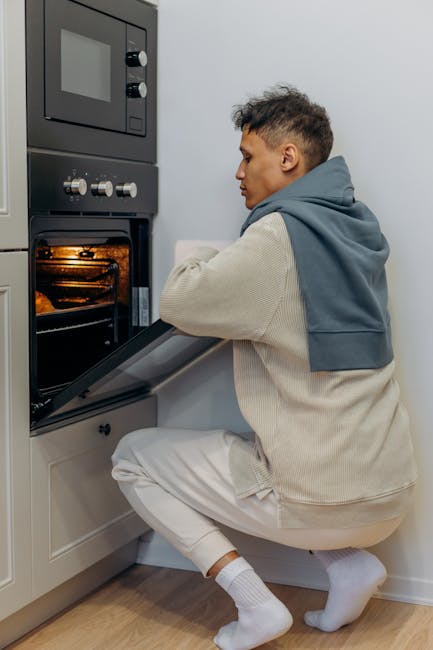
Why Bulky Oven Parts Disposal in Putney -- Cost & Steps Matters
Bulky oven parts are awkward because they sit in the grey area between household waste and appliance disposal. They're too large for ordinary bins, often too heavy for one person, and sometimes too sharp or fragile to move casually. A cracked oven door can have toughened glass, a warped side panel can catch on the frame, and a heavy baking tray rack unit can surprise you by being far heavier than it looks. It's the kind of job that seems small until you're halfway through it.
In Putney, that matters even more. Many homes have tight entrances, stairwells, basement kitchens, or shared access routes. A rushed removal can scratch bannisters, chip tiles, or leave glass bits where children, pets, or cleaners could step. If the oven is being replaced after a deep cleaning in Putney or before a end of tenancy clean, timing also becomes important. You usually want the old parts gone before the next stage starts.
There is also the cost angle. Some people assume disposal is "just tipping it away", but the real price depends on the size of the part, ease of access, labour, and whether the item needs careful handling. A simple collection and removal can be affordable, while difficult access or mixed waste may raise the total. Knowing that upfront helps you avoid surprises.
Expert summary: If the item is bulky, brittle, heavy, or awkwardly located, disposal is usually safer and cheaper in the long run when it is planned properly rather than handled as an afterthought.
How Bulky Oven Parts Disposal in Putney -- Cost & Steps Works
The process is usually straightforward once you break it into stages. First, identify exactly what part needs removing. Is it a full oven unit, or just the door, grill pan rails, internal fan cover, or outer casing? That matters because not all parts are treated the same way. A small removable tray rack is very different from a double-glazed oven door.
Next comes access. A good disposal plan looks at where the item is, how heavy it is, and whether it can be carried safely through the property. In a flat near Putney Station, for example, a narrow stairwell may make a two-person lift necessary. If you are in a house near Putney High Street, parking or loading time may become the bigger issue. Small details, but they add up.
Then comes the actual removal. In many cases, parts need to be detached carefully, wrapped or secured, and moved without rattling loose glass or metal edges. If the component is broken, it may need taping or boxing first. After that, the item is loaded for responsible disposal or recycling where appropriate.
For some readers, the cheapest route is to remove the piece yourself and take it to an approved disposal point. For others, booking a collection is the better value because it avoids vehicle hire, time off work, and the risk of injury. If you're already arranging other household jobs, such as one-off cleaning in Putney or a more general house cleaning service, it can make sense to coordinate everything in one visit. Saves the faff.
Key Benefits and Practical Advantages
There are some very real advantages to handling bulky oven parts properly rather than improvising at the last minute.
- Less risk of damage: Proper lifting and wrapping reduce the chance of chipped paint, broken tiles, or smashed glass.
- Safer for everyone: Heavy oven components can strain backs, hands, and wrists, especially on stairs.
- Cleaner finish: If the oven is being replaced, a tidy removal makes the whole kitchen feel finished rather than half-done.
- Better for busy schedules: A clear plan stops a simple disposal job from turning into a weekend project.
- More predictable cost: Once you know the size, access, and disposal route, you can compare options properly.
There's also the emotional side, oddly enough. Kitchens can get cluttered fast, and an old oven part leaning beside the bin area makes the whole room feel unfinished. Once it is gone, the space usually feels calmer, even if nothing else has changed. A small win, but a real one.
Who This Is For and When It Makes Sense
This guide is for homeowners, tenants, landlords, letting agents, and anyone dealing with an oven component that is too large for ordinary waste collection. It also helps if you're preparing for refurbishment, replacing a broken appliance, or clearing a property after a tenancy ends.
It makes sense to plan bulky oven parts disposal when:
- the oven door glass has cracked or loosened
- the appliance is being replaced and the old parts need removing first
- a rental property needs to be reset between occupants
- you are combining disposal with spring cleaning in Putney or a wider reset of the kitchen
- you do not have the vehicle, time, or strength to move the item safely
If the part is damaged but still connected to electricity or fixed to the appliance, stop and reassess. Better to pause than guess. A minute of caution beats a very expensive mistake, or a sore shoulder for three days.
Step-by-Step Guidance
Here is the simplest way to handle bulky oven parts disposal in Putney without turning the job into a headache.
- Identify the exact part. Note the size, weight, material, and whether it is fragile. A metal tray rack is one thing; a glass oven door is another.
- Check how it comes away. Some parts detach with screws or clips, while others should not be forced. If it is built-in, take extra care around seals and fixings.
- Clear the route. Move mats, pet bowls, shoes, and anything else that could trip someone. Open doors in advance where possible.
- Protect edges and glass. Use tape, cardboard, blankets, or bubble wrap if needed. Even a short trip down the corridor can cause a knock.
- Decide on the disposal method. Compare self-delivery, collection, or coordinated removal as part of a wider household service.
- Lift with help if needed. Two people are often safer than one, especially on stairs or around corners.
- Confirm the final destination. Make sure the part goes to the correct disposal route, not just "somewhere out of the way".
- Clean the area afterward. A quick sweep picks up dust, shards, and old crumbs hiding behind the cooker. It's always behind the cooker, isn't it?
If the disposal is tied to another job, such as preparing a property for tenants or handling a post-renovation reset, you may want the oven area checked alongside the rest of the home. That's where services like domestic cleaning in Putney can help keep the sequence tidy.
Expert Tips for Better Results
A few small habits make a big difference with bulky oven parts. First, do not underestimate the awkwardness of oven glass. It may look thin, but it is still heavy enough to hurt if it slips. Keep a firm grip and avoid carrying it one-handed, even for a second.
Second, take a photo before disassembly. If you are dealing with screws, clips, or brackets, a quick phone photo saves time later. It sounds basic, but it prevents the classic "where did that bit go?" moment. We've all had one of those.
Third, if the part is greasy or dusty, wrap it before moving it through the house. That helps protect carpets and upholstery, especially in homes with pale runners or fabric furniture. If the route passes through a sitting room, it may be sensible to think about nearby surfaces and maybe pair the job with upholstery cleaning in Putney or carpet cleaning in Putney later on.
Fourth, don't mix unnecessary waste in with the oven part. Keeping metal, glass, packaging, and general rubbish separate is usually cleaner and easier to manage. It also helps when you compare disposal quotes, because mixed loads can be less straightforward to handle.
One more thing: if you are arranging removal as part of a wider property reset, check whether the provider also explains their service terms clearly. A quick look at terms and conditions and pricing and quotes can save awkward surprises later.
Common Mistakes to Avoid
Most disposal problems come from rushing. The classic mistake is trying to move a heavy oven part alone because "it's only to the front door". Then it catches, twists, or slips. That tiny walk becomes the whole issue.
- Forcing stubborn fixings: If a component does not release easily, stop and check the mechanism.
- Using the wrong lift technique: Bent backs and twisted carries are a bad mix.
- Leaving glass unprotected: Glass edges can chip when knocked against door frames or tiles.
- Underestimating access: Stairs, parked cars, and narrow entrances all affect the job.
- Ignoring disposal rules: Some parts should not go in general waste just because they "look small enough".
- Booking too late: If the oven replacement is scheduled, leave time for removal first.
A more subtle mistake is forgetting the wider clean-up. Tiny grease spots, a loose screw, or glass dust can stay hidden in corners. If the kitchen is being reset after a move or renovation, that little residue gets noticed. Especially by landlords. Especially.
Tools, Resources and Recommendations
You do not need a van-full of equipment, but a few basic items make the job safer and calmer.
| Item | Why it helps | Best use |
|---|---|---|
| Work gloves | Improves grip and protects hands from sharp edges | Handling metal parts and glass panels |
| Cardboard or blankets | Cushions the part and protects floors/walls | Moving through narrow hallways or stairs |
| Strong tape | Helps secure loose pieces and reduce rattling | Wrapping cracked or loose components |
| Screwdriver set | Useful for basic removal where fittings are accessible | Detached doors, brackets, or panels |
| Dustpan and brush | Quick clean-up for debris and fragments | Final tidy after removal |
As for planning support, a good starting point is the wider services overview page so you can see how appliance-related work fits alongside other home tasks. If you are comparing providers, the site's about us page can also help you understand who you are dealing with and whether their approach fits your expectations.
When the job forms part of a larger property refresh, it may be worth looking at house cleaning in Putney or office cleaning in Putney if the disposal is being managed in a commercial or landlord setting. Different spaces, same basic principle: keep the route clear and the process tidy.
Law, Compliance, Standards, and Best Practice
For householders, the main thing is to dispose of bulky oven parts responsibly and safely. That usually means avoiding random dumping, keeping sharps and glass controlled, and using an appropriate collection or disposal route. If a part contains electrical components, it should be treated with extra care rather than tossed into mixed rubbish.
For landlords, managing agents, and cleaners working on behalf of clients, the standard is higher. You are expected to think about health and safety, safe lifting, and clear communication with the customer. A professional approach also means having sensible procedures for accidents, damage, or complaints. If you want to understand the general framework, the site's health and safety policy and complaints procedure show the kind of structure people look for in a trustworthy service.
There is also a simple best-practice rule that often gets overlooked: do not create a hazard while trying to remove one. A broken oven door left propped by a doorway is still a hazard. So is glass sitting in a dustpan by the sink. Dispose of the part completely, and tidy the work area after.
If security or payment is part of the booking process, it is fair to expect clear handling too. That is why pages such as payment and security and privacy policy matter to many readers. They help build confidence before anyone books in.
Options, Methods, and Comparison Table
There is no single "best" method for everyone. The right choice depends on the size of the part, your access, your time, and how much hassle you want to absorb yourself.
| Method | Best for | Typical cost feel | Main trade-off |
|---|---|---|---|
| DIY removal and transport | Small parts, easy access, flexible schedule | Lower cash cost, higher time cost | More lifting, more risk, more effort |
| Booked collection | Heavy or awkward parts, busy households | Usually a clearer upfront fee | Less hands-on control |
| Part of a wider cleaning/reset visit | Moves after tenancy, refurb, or full kitchen refresh | Often better value when combined | Needs scheduling in advance |
| Self-delivery with hired vehicle | People confident lifting and transporting safely | Can be moderate once vehicle cost is added | Parking, loading, and lifting all still matter |
For many Putney households, the real question is not "which is cheapest?" but "which is cheapest once time, lifting, and stress are counted properly?" That question usually changes the answer.
Case Study or Real-World Example
A typical Putney scenario goes like this. A couple in a first-floor flat near the river are replacing a built-in oven after the glass door starts rattling and the hinge feels loose. They assume the door can be taken down in five minutes. In reality, the access is tight, the stairwell turns sharply, and the old unit has a couple of stubborn fixings that do not want to budge.
Rather than wrestle with it, they clear the kitchen, remove small loose pieces first, tape the glass edge, and book a collection rather than trying to carry it to a car on their own. The whole thing takes less stress, less time, and far fewer arguments. A tiny household drama avoided. Lovely.
In a different case, a landlord preparing a property for new tenants uses the disposal as part of a wider refresh, pairing it with end of tenancy cleaning in Putney. That way, the oven area is cleared, the kitchen is cleaned around the space, and the handover feels orderly instead of last-minute. It's not glamorous, but it works.
Practical Checklist
Use this checklist before you start.
- Identify the exact oven part to be removed
- Check whether it is glass, metal, electrical, or mixed material
- Measure access points, stairs, and tight corners
- Clear the route from kitchen to exit
- Gather gloves, tape, cardboard, or blankets
- Decide whether you need one person or two
- Choose the disposal method before dismantling
- Keep screws and fittings in a labelled bag if needed
- Protect floors and walls during removal
- Clean debris and dust after the part is gone
If you are preparing a wider home reset, it can also help to review what to expect from oven cleaning near Putney Station or a local guide to oven cleaning on Putney High Street. Those articles sit naturally alongside disposal planning because once the old part is removed, the next sensible step is often cleaning the space properly.
Conclusion
Bulky oven parts disposal in Putney is not difficult once you break it down into a few sensible steps: identify the part, protect the route, choose the right disposal method, and keep safety front and centre. The cost depends on access, weight, and whether you do the work yourself or book help, but the smartest choice is usually the one that reduces risk as well as spend.
If you are planning a kitchen refresh, a move-out, or a simple appliance swap, treat the disposal as part of the overall job rather than a last-minute add-on. That small change in approach saves time and usually a fair bit of stress too. And honestly, that's worth a lot on a busy Putney weekday.
Get a free quote today and see how much you can save.
For reassurance and service details, you can also review the company's insurance and safety information and the accessibility statement if you need clear, accessible support before booking.